
CELEBRITY
JUST ANNOUNCED: Meghan Markle says she’s writing a book — this time about cooking. Critics couldn’t help but note that her “culinary expertise” still seems to involve piling flowers onto plates and quietly using the project to promote As Ever rather than any actual skill in the kitchen. And right on cue, despite PR warnings, the announcement has once again left the media rolling their eyes as fresh As Ever business controversies erupt across headlines.

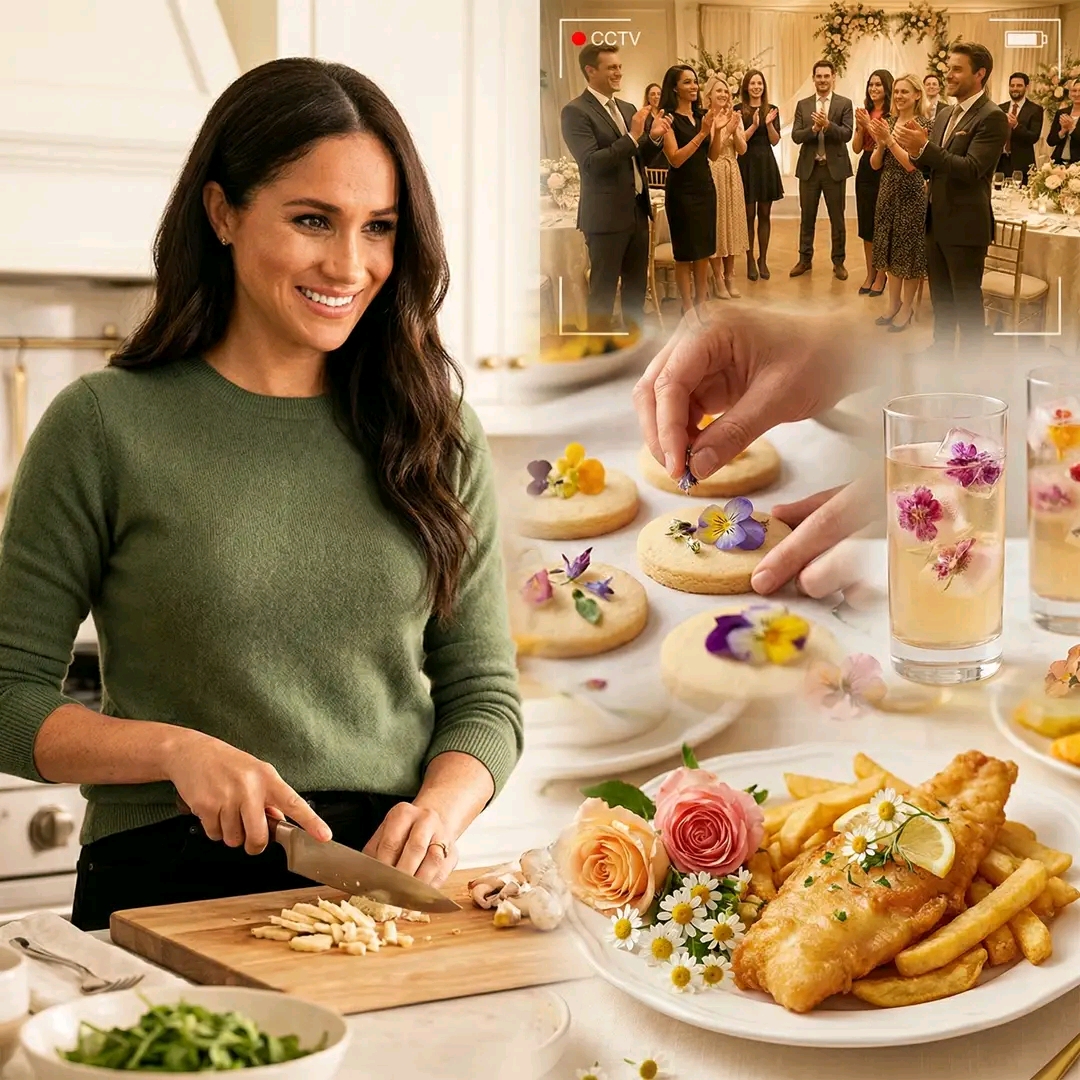
When Meghan Markle confirmed she is planning to write a new book, the announcement landed with a familiar mix of curiosity, skepticism, and weary déjà vu. This time, the project is reportedly centered on food and lifestyle, a direction that immediately reignited debate about whether the venture is driven by genuine expertise or by brand strategy. For many observers, the news felt less like a creative revelation and more like the next predictable chapter in a long-running commercial narrative.
Critics were quick to point out that Meghan’s public culinary persona has never been built on traditional cooking credentials. Instead, her appearances often emphasize presentation over technique — floral garnishes, curated table settings, and carefully staged visuals designed to project elegance rather than skill. “It’s not that she’s claiming to be a professional chef,” one lifestyle editor commented, “but the way food is used feels more symbolic than substantive. It’s about mood, not mastery.” That distinction, while subtle, has become central to how audiences interpret her latest move.
The announcement also revived ongoing discussion about the relationship between Meghan’s creative projects and her lifestyle brand, As Ever. Industry watchers note that past ventures have frequently blurred the line between personal expression and product promotion, with storytelling serving as a soft launchpad for commercial expansion. In this context, a cookbook or lifestyle volume is widely seen as a convenient vehicle to reinforce brand aesthetics — jars, labels, tableware, and aspirational imagery — rather than a standalone literary endeavor. As one branding consultant put it, “Books are powerful marketing tools because they feel intimate and authoritative, even when they’re essentially extensions of a product ecosystem.”
What surprised few, however, was how quickly the narrative shifted after the announcement. Despite reported caution from advisers urging a more restrained rollout, media attention soon pivoted toward renewed scrutiny of As Ever’s business practices. Questions about pricing, inventory, and past promotional claims resurfaced almost immediately, giving the impression that the book reveal had inadvertently reopened unresolved conversations. A retail analyst noted, “Whenever there’s a new headline, it invites people to look backward as much as forward — and not all brands benefit from that kind of retrospective attention.”
The pattern has become familiar to royal watchers and media critics alike. Each new initiative arrives framed as a reinvention, only to trigger comparisons with earlier projects that promised impact but struggled to sustain momentum. For some commentators, this cycle reflects a broader challenge: an overreliance on narrative reinvention without enough tangible differentiation. “Rebranding works best when it’s anchored in something measurably new,” said one communications strategist. “Otherwise, audiences start to feel they’re being asked to applaud the same idea in different packaging.”
Supporters argue that Meghan is simply exercising her right to explore multiple creative avenues, noting that lifestyle publishing is a crowded but lucrative space where celebrity names often carry the product. They point out that public hostility can exaggerate missteps while ignoring successes, and that experimentation is a normal part of building a modern media brand. Still, even sympathetic voices concede that timing matters. Launching a new book amid unresolved questions about a flagship brand invites scrutiny that might otherwise have faded.
As the dust settles, the broader question is less about whether Meghan can publish another book and more about how audiences interpret its intent. Is it a sincere creative project, a strategic marketing extension, or an attempt to redirect attention during a difficult commercial moment? The answer likely lies somewhere in between. What is clear is that each announcement now carries more baggage than anticipation, shaped by a history that makes neutrality difficult.
For a public figure whose every move is dissected, the challenge may no longer be visibility but credibility. Reinvention, after all, depends not just on novelty, but on trust — and trust is harder to rebuild once skepticism becomes the default lens. Whether this latest project shifts that dynamic or reinforces it remains to be seen, but the initial reaction suggests that patience, rather than excitement, is currently in short supply.

She Didn’t Just Become a Bride That Day… She Became a Legacy. But here’s what most people didn’t notice back then… 👉

MY MOTHER DESERVES A TITLE”: THE BOLD DEMAND FROM MEGHAN THAT LEFT THE PALACE STUNNED AND REIGNITED ROYAL FEUDS

“Before Her Final Breath… 😢 The Secret Promise Princess Anne Made to Queen Elizabeth II—You Won’t Believe This Vow!”

Zaginął po porannej mszy. Policja ruszyła na poszukiwania Czytaj więcej:

18 zastępów straży w akcji

To nie są dobre dni dla kibiców polskiej siatkówki. Zaledwie chwilę po szokującej informacji o zakończeniu kariery reprezentacyjnej przez Marcina Janusza, pojawiły wieści o stanie zdrowia Norberta Hubera. 🟥 Link w komentarzu👇

Irena Santor uderza w disco polo. Radek Liszewski stanowczo odpowiada

Kaczyński przyjechał limuzyną, wysiadł z tradycyjną palemką w dłoni i spokojnym krokiem wszedł do świątyni 👇

Era Stefana Horngachera w reprezentacji Niemiec dobiegła końca. Choć nazwisko nowego szkoleniowca nie zostało jeszcze oficjalnie ogłoszone przez związek, niemieccy skoczkowie już wiedzą. — Wiemy to od wczoraj. Ale na razie to jeszcze sprawa wewnętrzna — uciął Pius Paschke w rozmowie z ZDF. Tajemniczy był też Karl Geiger. 🟥 Link w komentarzu👇

Maksymalne ceny paliw. Jest obwieszczenie ministra

Z ostatniej chwili, wielu tylko na to czekało, huczy o tym cała Polska 😱
