
CELEBRITY
ROYAL SHOWDOWN: Harry Reignites Security Battle After Andrew — But the Backlash Is Explosive; Is this about protection… or something much bigger? Read the full story.

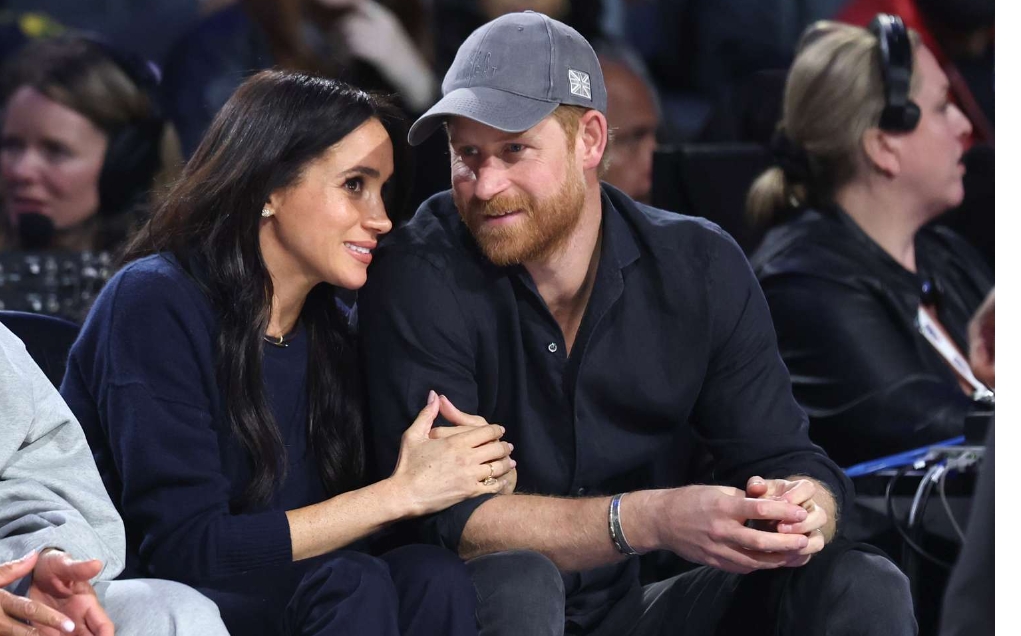
In the aftermath of renewed scrutiny surrounding Prince Andrew, another royal storm appears to be gathering force — this time centered on Prince Harry and his long-running battle over security arrangements in the United Kingdom. According to commentators, the Sussex camp is far from retreating quietly. Instead, efforts to revisit the issue of state-funded protection have reportedly been reactivated, reigniting debate both inside royal circles and among the public.
Harry has consistently argued that the UK presents unique risks to his safety and that of his family, particularly given his military history and high profile. Since stepping back as a working royal in 2020, he lost automatic access to publicly funded police protection while in Britain — a decision made by the government’s security committee. Legal appeals followed, with Harry insisting he is willing to pay personally for protection but seeking access to the same level of armed police security previously afforded to him.
Yet critics argue the situation is more complicated than a simple request for safety. Public opinion has again shifted sharply after recent images showed Harry and Meghan Markle attending high-profile, crowded events in the United States, including a major baseball game and glamorous red-carpet appearances. The contrast has not gone unnoticed. “If Britain is uniquely dangerous, why do packed stadiums in America pose no comparable concern?” one royal commentator asked during a televised panel discussion. The question has echoed across social media, where many observers accuse the Duke of inconsistency.
Supporters of Harry argue that security assessments differ by jurisdiction and that the nature of threats in the UK — particularly from extremist elements — may be more targeted. However, skeptics believe the optics undermine his case. One former royal protection officer, speaking anonymously, suggested that credibility plays a powerful role in such appeals. “You cannot publicly present yourself as at constant risk while appearing relaxed in open venues abroad. The perception gap becomes a legal vulnerability,” he noted.
The debate intensified after reports surfaced hinting that the renewed push for protection may not be solely about physical safety. Several royal analysts suggest there are broader financial implications at stake. State-funded protection for senior royals involves substantial costs, and reinstating such privileges — even partially — would raise questions about precedent. If Harry were granted restored access to elite police services while remaining a non-working royal residing overseas, it could reshape expectations for other peripheral family members.
Some experts go further, arguing that security status is intertwined with branding, influence, and long-term financial leverage. “Security is not just about bodyguards,” one royal affairs writer commented. “It signals status. It signals recognition. And in a world where image translates into commercial value, that status matters enormously.” In other words, the battle may represent more than a safety dispute; it could reflect a struggle over relevance and institutional connection.
The timing of this renewed controversy is particularly sensitive. Following years of turbulence involving Andrew, the monarchy has worked diligently to reinforce boundaries between working royals and those who step outside official duties. Observers note that granting Harry concessions now could complicate that effort. A palace insider reportedly described the atmosphere as “cautious but firm,” suggesting that the line between private citizen and state-backed royal must remain clear.
Public reaction remains sharply divided. Some fans view Harry’s stance as understandable, pointing to his service in Afghanistan and the heightened threats that can follow. Others express fatigue with what they see as an ongoing narrative of grievance. “You chose independence,” one British columnist wrote. “Independence comes with independence from the taxpayer as well.” That sentiment appears to resonate strongly among voters wary of expanding public expenditure.
Meanwhile, speculation about hidden financial dimensions continues to circulate. Analysts point to the possibility that official security classification may influence insurance costs, event contracts, and even the willingness of certain institutions to collaborate with the Sussex brand. If so, the implications stretch far beyond personal comfort. They touch the architecture of post-royal life itself.
As legal processes unfold and government officials weigh their options, the broader question lingers: is this truly a fight for protection, or a symbolic struggle over identity and entitlement? The Sussexes have shown no sign of stepping back from the conversation. Yet each public appearance, each televised claim, feeds into a narrative that the public is actively dissecting.
For now, what remains clear is that the issue refuses to fade. In attempting to reignite the debate, Harry may have succeeded in drawing attention — but attention cuts both ways. Whether the renewed strategy strengthens his case or further erodes public sympathy may depend less on legal arguments and more on perception. And perception, as the modern monarchy has learned repeatedly, can be as powerful as any official decree.

Są nowe wieści ws. Beaty Klimek. 14 maja zapadnie kluczowa decyzja Czytaj więcej:

Doda na Błoniach poruszyła tłumy. Symboliczny gest po hymnie i wyjątkowa dedykacja
Doda zaśpiewała hymn Polski na krakowskich BłoniachTłum ludzi i łzy na scenie

Ogromne utrudnienia dla kierowców 🚨

Nikt nie miał pojęcia

Jest nagranie z monitoringu ws. wypadku Litewki. Na jaw wyszły nowe fakty 🔗 ZOBA CZ WIĘCEJ PONIŻEJ: 👇

Wszystkie służby w akcji 🚨🚨

Takich scen pod PGE Narodowym dawno nie widzieliśmy. Już na kilka godzin przed finałem Pucharu Polski, w którym Górnik Zabrze zmierzy się z Rakowem Częstochowa, pod bramami zaczęły się tworzyć gigantyczne kolejki. Byliśmy też świadkami nietypowej sceny. Stolicę zalała ogromna rzesza fanów ekipy z Zabrza, którzy na taki moment czekali ponad pół wieku. 🟥 Link w komentarzu👇

Iga Świątek o swoim zdrowiu po kryzysie w Madrycie – przekazała najnowsze informacje

Pszczelarz z Wąchocka demaskuje największy mit o miodzie!

Padły bardzo stanowcze słowa 🧐
