
CELEBRITY
Bessent Unloads on Gavin Newsom’s Bizarre Davos Stunt

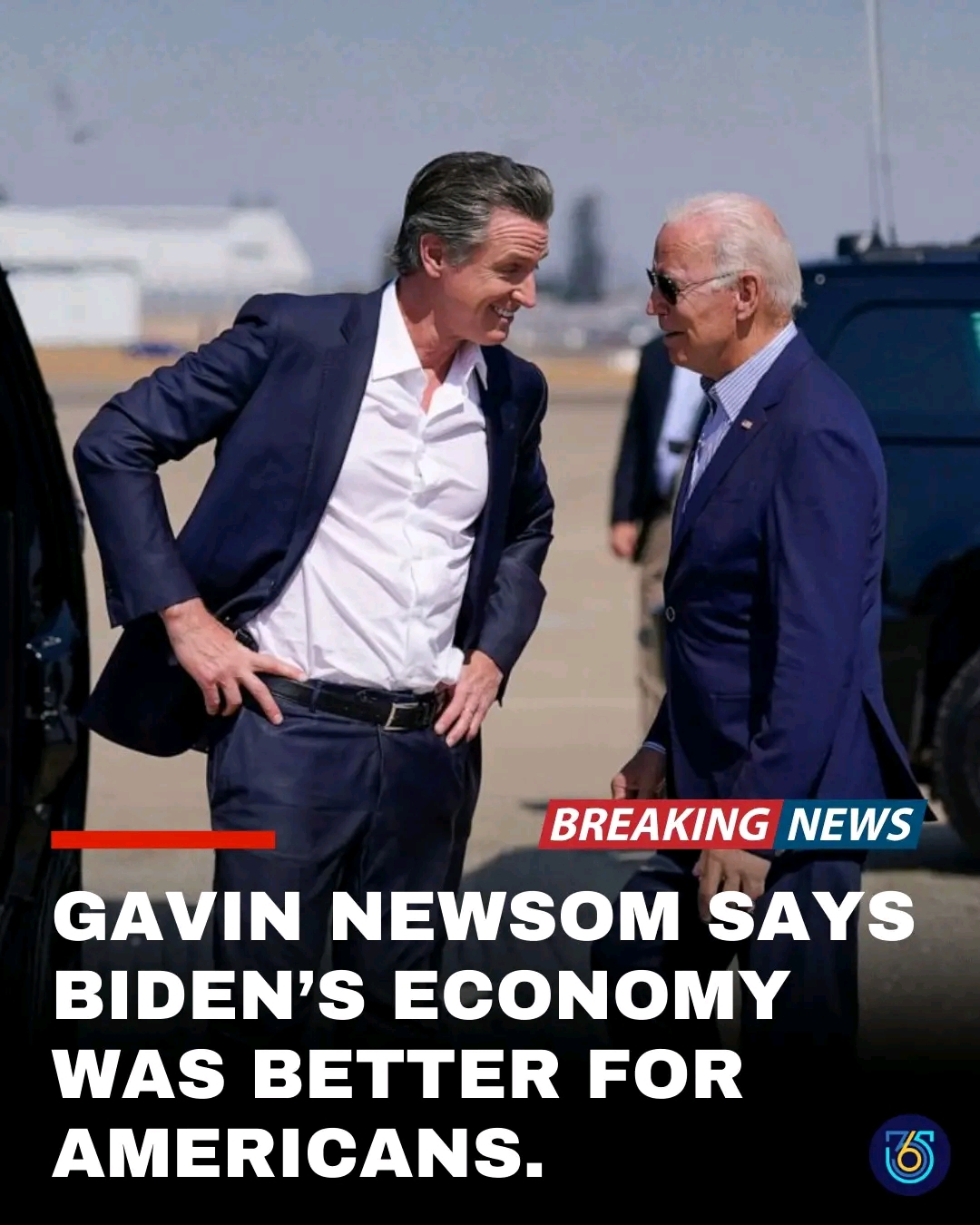
Bessent’s harsh assessment of Newsom’s participation in the World Economic Forum in Davos focused on the Governor’s behavior during the event. Referring to Newsom’s actions as a “kneepads moment,” Bessent implied that the governor was essentially bowing to the whims of the global elite, eager to align himself with the rich and powerful. The term, which is typically used to criticize excessive sycophancy, reflects how Newsom’s participation in the forum appeared more like an attempt to ingratiate himself with powerful business leaders than a sincere effort to promote California’s interests.
The idea of pandering to elites is not a new criticism for Newsom, who has long been associated with California’s tech and business elite. However, his presence at Davos, a place where global political and economic figures gather to discuss the world’s most pressing issues, has taken on additional significance. Critics argue that Newsom’s willingness to engage with wealthy elites could be a sign that his political ambitions are more about self-promotion than public service.
The critique from Bessent centers on the optics of the event. Newsom’s speech at Davos emphasized global cooperation, environmental issues, and the fight against inequality, but to many, it seemed more like a performance designed to boost his profile on the world stage. In Bessent’s view, the moment was less about meaningful policy and more about aligning himself with the global establishment.
At the heart of Bessent’s criticism is the suggestion that Newsom is more interested in pandering to global elites than advancing policies that genuinely benefit Californians. For Newsom, whose public persona often revolves around progressive ideals, his attendance at Davos raised eyebrows. Critics argue that the event’s high price tag, the presence of billionaires, and the focus on economic issues may not align with the everyday struggles faced by his constituents.
On the other hand, supporters of Newsom’s participation argue that engaging with influential global figures is a necessary part of statecraft in today’s interconnected world. Newsom’s speech at Davos, which focused on issues like climate change, renewable energy, and economic inequality, reflected his ongoing commitment to progressive values. But the question remains: can he continue to appeal to the broader Democratic base while simultaneously positioning himself as a global leader who mingles with the world’s wealthiest individuals?
The line between political ambition and personal gain can often be difficult to navigate. While some view Newsom’s appearance at Davos as a legitimate political strategy to enhance his global stature, others see it as an opportunistic move to bolster his national profile as he eyes a future presidential run.
The World Economic Forum in Davos is a gathering that brings together political leaders, CEOs, intellectuals, and celebrities to discuss issues ranging from economic growth to climate change. However, the event has long been criticized for being an exclusive club where the world’s most powerful figures come together to discuss problems without any meaningful commitment to real-world solutions.
For years, critics have argued that the event is a symbol of inequality, with the global elite engaging in discussions about social justice, while largely ignoring the negative impacts of their wealth and influence. The image of billionaires arriving by private jet to discuss climate change, for example, has fueled the perception that Davos is more about appearances than about tangible action.
Newsom’s participation in such an event, especially given his role as governor of one of the largest economies in the world, raised questions about his ability to represent California’s interests while rubbing elbows with figures who may be responsible for some of the very issues Newsom has championed against, such as income inequality and climate change.
Public reaction to Newsom’s participation in Davos has been divided. Supporters of Newsom point to his pragmatic approach to global issues and argue that it’s important for California to have a seat at the table with international leaders. They believe that by engaging with the world’s elites, Newsom can elevate California’s profile and push for progressive solutions to global challenges like climate change and technological innovation.
However, critics argue that Newsom’s appearance at Davos only underscores his tendency to focus more on his political career than on the struggles of ordinary Californians. For them, his actions are a clear attempt to position himself as a national figure, using California’s struggles as a backdrop to build a more favorable public image.
For those concerned with Newsom’s growing ambition, the real issue is not whether he has a right to attend Davos, but whether his focus is shifting away from the core issues that have defined his political career in California. As California struggles with homelessness, housing affordability, and high living costs, some believe that Newsom’s time could be better spent addressing these domestic issues rather than trying to appeal to the global stage.
One of the key issues surrounding Newsom’s appearance at Davos is the broader question of whether the forum serves the public good or merely reinforces the power of the global elite. The event is often criticized for promoting policies that primarily benefit the wealthy and for lacking accountability in addressing the systemic issues it discusses.
The connection between the global elite and political leaders, especially in the context of Davos, can often be seen as problematic. While it is undoubtedly important for political leaders to engage in global conversations, the concern remains that these engagements often focus more on creating favorable outcomes for powerful corporations and institutions than on addressing the needs of ordinary people.
Newsom’s presence at Davos has sparked further conversations about the role of politicians in global forums. Can politicians like Newsom maintain their progressive image while also engaging with the very forces that contribute to economic inequality and environmental degradation? Or does this engagement signal a shift toward appeasing the interests of the global elite rather than advocating for the people they were elected to serve?
As Newsom continues to rise in national prominence, his appearance at Davos represents both an opportunity and a challenge. On the one hand, it gives him a platform to address global issues and demonstrate his capacity for leadership on the international stage. On the other hand, it exposes him to criticism from those who see his actions as pandering to the elite rather than focusing on the issues facing everyday Americans.
Newsom’s response to this criticism will be crucial. If he can successfully navigate the tension between global engagement and domestic advocacy, he may solidify his position as a leading figure in American politics. However, if the backlash continues to grow, it could damage his reputation and hinder his chances of moving forward as a future presidential candidate.
Newsom’s appearance at Davos has generated international reactions as well. While some political analysts argue that he is positioning himself for a presidential bid, others question whether the values discussed at Davos can truly align with the progressive ideals that Newsom has championed in California.
The debate surrounding Newsom’s actions raises important questions about the role of political leaders in global discussions and whether they can balance their commitments to national issues with the demands of international diplomacy. As the political landscape continues to evolve, these conversations will shape the future of leadership both in the United States and abroad.
Conclusion:
Gavin Newsom’s appearance at the World Economic Forum in Davos has sparked significant debate within both the political and public spheres. While his critics see it as an opportunistic move to align himself with global elites, others view it as a strategic step in expanding his influence on the world stage. Newsom’s actions underscore the increasingly complex relationship between politics, economics, and global influence.
Whether Newsom’s political future remains focused on serving California or his ambitions evolve toward a national stage, his decisions in moments like these will have a lasting impact on his career. As the global political landscape continues to change, Newsom’s next steps will be watched closely as a potential indicator of the future of Democratic leadership in America.

Widzowie nie mają wątpliwości 😍👇

Długo ukrywali prawdę o sobie 😔

Sylwia Przybysz i Jan Dąbrowski odkrywają uroki życia w Kanadzie. Ich nowy dom zaskakuje staromodnym klimatem i nietypowymi rozwiązaniami.

Szokujące, do czego doszło 😨😨

We mszy wziął udział prezydent Karol Nawrocki, szef KPRP Zbigniew Bogucki, a także prezes PiS Jarosław Kaczyński, ale także Tadeusz Rydzyk czy Marta Kaczyńska ➡️

Jarosław Kaczyński przemówił podczas obchodów rocznicy katastrofy smoleńskiej. Tłum odpowiedział skandując trzy słowa, które zaskoczyły wszystkich.

Kompromitacja Realu Madryt! To koniec. W Barcelonie zaczyna się święto

“Robert Lewandowski rozważa inne oferty, a Barcelona nie jest w czołówce” — ogłasza już w tytule “Cadena SER”. Hiszpański serwis przekazał zaskakujące wieści na temat przyszłości polskiego napastnika. Miał nastąpić ogromny zwrot w relacjach Lewandowskiego z Blaugraną. “Czuje się urażony” — czytamy. Oto jaki ma być priorytet naszego rodaka. 🟥 Link w komentarzu👇

Kaczyński grzmiał podczas rocznicy smoleńskiej. Ludzie skandowali trzy słowa

Niebywałe, co ludzie zaczęli skandować 😨

Wiadomość o śmierci Jacka Magiery poruszyła całe środowisko piłkarskie. Jan Tomaszewski o niespodziewanym odejściu drugiego trenera reprezentacji Polski dowiedział się od jednego z dziennikarzy. — Po prostu nie chce mi się wierzyć — mówił w “Super Expressie”. Były bramkarz nie ukrywał, że to właśnie w Magierze widział następcę Jana Urbana. 🟥 Link w komentarzu👇
