
CELEBRITY
President Trump gave final order to begin strikes against Iran after being persuaded by Israeli Prime Minister Netanyahu.

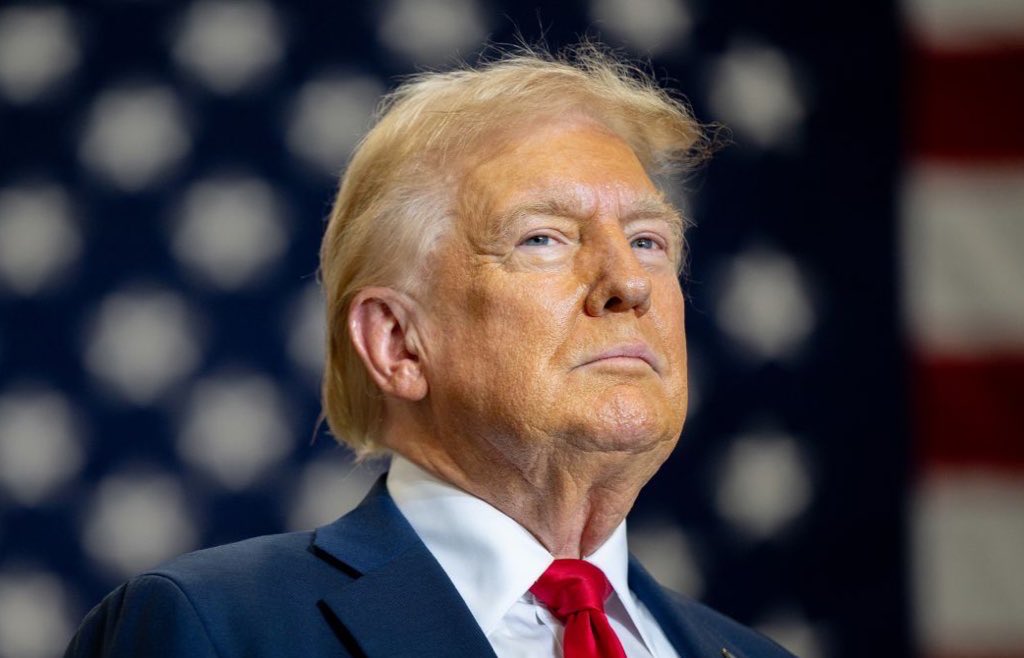
Less than 48 hours before the U.S.-Israeli strike on Iran began, Prime Minister Benjamin Netanyahu spoke by phone to President Donald Trump about the reasons for launching the kind of complex, far-off war the American leader once had campaigned against.
Both Trump and Netanyahu knew from intelligence briefings earlier in the week that Iranian Supreme Leader Ayatollah Ali Khamenei and his key lieutenants would soon meet at his compound in Tehran, making them vulnerable to a “decapitation strike” – an attack against a country’s top leaders often used by Israelis but traditionally less so by the United States.
But new intelligence suggested that the meeting had been moved forward to Saturday morning from Saturday night, according to three people briefed on the call.
The call has not been previously reported.
Netanyahu, determined to move forward with an operation he had urged for decades, argued that there might never be a better chance to kill Khamenei and to avenge previous Iranian efforts to assassinate Trump, these people said. Those included a murder-for-hire plot allegedly orchestrated by Iran in 2024, when Trump was a candidate.
The Justice Department has accused a Pakistani man of trying to recruit people in the United States in the plan, meant as retaliation for Washington’s killing of the Islamic Revolutionary Guard Corps’ top commander, Qassem Soleimani.
By the time the call took place, Trump already had approved the idea of the United States carrying out a military operation against Iran but had not yet decided when or under what circumstances the United States would get involved, said the sources, who spoke on condition of anonymity to discuss sensitive internal deliberations.
The U.S. military had for weeks built up a presence in the region, prompting many within the administration to conclude it was just a matter of when the president would decide to move forward. One possible date, just a few days earlier, had been scuttled because of bad weather.
Reuters was unable to determine how Netanyahu’s argument affected Trump as he contemplated issuing orders to strike, but the call amounted to the Israeli leader’s closing argument to his U.S. counterpart. The three sources briefed on the call said they believed it – along with the intelligence showing a closing window to kill Iran’s leader – was a catalyst for Trump’s final decision to order the military on February 27 to move ahead with Operation Epic Fury.
Trump could make history by helping eliminate an Iranian leadership long reviled by the West and by many Iranians, Netanyahu argued. Iranians might even take to the streets, he said, overthrowing a theocratic system that had governed the country since 1979 and been a leading source of global terrorism and instability ever since.
The first bombs struck on Saturday morning, February 28. Trump announced that evening that Khamenei was dead.

President Trump gave final order to begin strikes against Iran after being persuaded by Israeli Prime Minister Netanyahu.

Why ICE agents are getting paid, but TSA employees are not

Trump exposed the big ‘GAY’ secret of Islamic dictators: Iran’s new ayatollah is not the ONLY despot living a double life…

A jednak to koniec! Iga Świątek rozstała się z trenerem ➡️

To już pewne! Wim Fissette przestał być trenerem Igi Świątek. W ostatnich dniach pojawiły się jednak nieoficjalne doniesienia, że zastąpić ma go Piotr Woźniacki. Sztab trzeciej rakiety świata błyskawicznie zdementował te wieści. — Decyzje personalne będzie jak zawsze komunikowała sama Iga w odpowiednim czasie — przekazuje PR managerka Daria Sulgostowska. 🟥 Link w komentarzu👇

“Twardy gość” – ocenił Rose. Więcej w komentarzu 👇👇👇

Cała Polska o tym huczy

— Następca Stefana [Horngachera — przyp. red.] został już wybrany — mówi wprost w rozmowie z TVP Sport Thomas Thurnbichler. Austriak, który w latach w 2022-2025 pracował z Polakami, teraz jest odpowiedzialny za niemiecką kadrę B. Odnosi się również do Kacpra Tomasiaka. Oto szczegóły. 🟥 Link w komentarzu👇

Ludzie aż łapią się za głowy, a jednak 😱

Wim Fissette zabrał głos po decyzji Igi Świątek 🎾💬 Zwrócił się też do kibiców 👀 Co napisał? 🤔

Grzegorz Braun “uciekł” z prokuratury. Wiemy, co dalej z europosłem
