
CELEBRITY
Self-Defense, Supported by Law

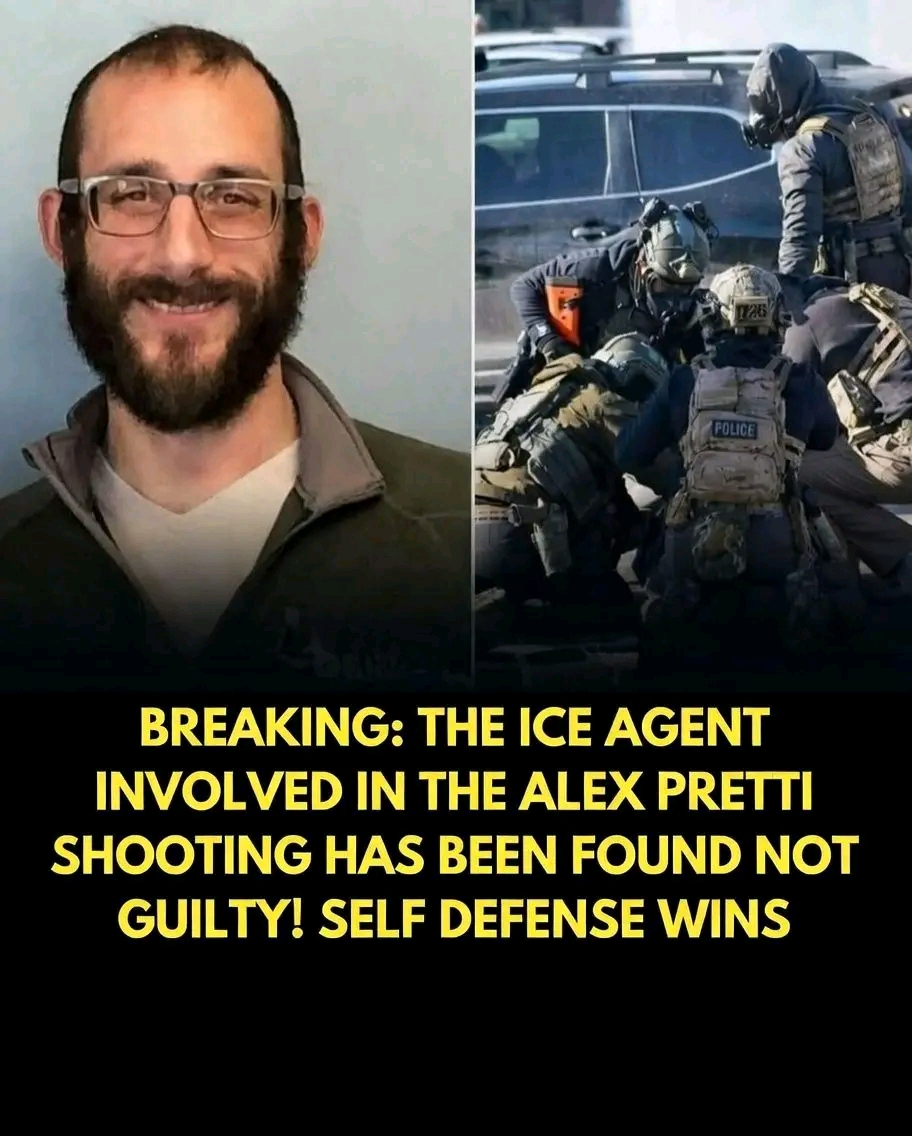
Department of Justice prosecutors across the US have suffered a string of embarrassing defeats in their aggressive pursuit of criminal cases against people accused of “assaulting” and “impeding” federal officers.
In recent months, the federal government has relentlessly prosecuted protesters, government critics, immigrants and others arrested during immigration operations, often accusing them of physically attacking officers or interfering with their duties.
But many of those cases have recently been dismissed or ended in not guilty verdicts.
In several high-profile cases, the prosecutions fell apart because they relied on statements by Department of Homeland Security (DHS) officers that had no supporting evidence or in some instances were proven by video footage to be blatantly false.
Criminal defense lawyers said it was unusual for federal prosecutors to pursue a high volume of charges over minor clashes with law enforcement, and that it was extraordinary to see the DoJ lose case after case across jurisdictions.
Still, the costs for defendants, even if ultimately exonerated, have been enormous, with many having their mugshots blasted by the government and some forced to languish in jail or have criminal charges hang over them for weeks and months.
‘Casting victims as perpetrators’
The most recent significant fumble came from Minneapolis prosecutors, who last week dismissed felony assault charges they had filed against two Venezuelan men accused of “violently beating” an Immigration and Customs Enforcement (ICE) officer “with weapons” on 14 January.
In a press release issued after their arrest, the DHS had described the men as “violent criminal illegal aliens”. The department said officers were conducting a targeted traffic stop to detain an undocumented man from Venezuela, and as he “began to resist and violently assault the officer”, two other men came out of a nearby apartment and “attacked the law enforcement officer with a snow shovel and broom handle”. The officer shot one of them in the leg.
Two of the men were arrested and charged, with a 16 January affidavit providing a vivid account of them attacking an officer identified as ERO 1, referring to ICE’s enforcement and removal operations. But on 12 February, prosecutors filed a motion to dismiss both men’s cases, saying: “Newly discovered evidence in this matter is materially inconsistent with the allegations in the complaint affidavit.”
The motion, which a judge granted, sought to have the cases dismissed “with prejudice”, meaning the government could not re-file charges.
ICE director Todd Lyons said ICE and the DoJ had opened an investigation into the case after videos revealed “sworn testimony provided by two separate officers appears to have made untruthful statements”, marking a rare acknowledgement of possible wrongdoing by DHS officials.
“It is very unusual for the government to move to dismiss its own case with prejudice,” Frederick Goetz, a lawyer for one of the men, said in an interview. He praised the government for launching investigations: “If you make false statements to a federal agent, that is a crime.”
Goetz said there were other similar cases stemming from the DHS’s “Operation Metro Surge” in the Minneapolis-St Paul region: “Anecdotally, you see a pattern: there are unreasonable uses of force by ICE agents and border patrol. You immediately have stories perpetuated to justify that force: ‘The officer was being attacked. This was an ambush.’ All of that spin is to cast the victims as violent perpetrators. Then the story falls apart once you get the facts.”
He said it would be difficult to undo the reputational harm done to his client: “The allegation that he was a violent criminal who attacked a federal officer with a broom – that image and association is going to live for ever on the internet. It traveled all the way to Venezuela. It’s absolutely not who he is.”
Goetz, a federal criminal defense lawyer in Minnesota for nearly 40 years, said the high volume of similar charges tied to Trump’s immigration crackdown had further consequences. It was overwhelming the federal courts in the state, diverting resources from the traditional work of federal prosecutors, such as complex fraud, drug and gang matters: “Public safety has not been served by these rash of cases.”
The case is one of several in Minnesota that has fallen apart. Earlier this year, Minnesota federal prosecutors dropped assault charges against a man, who was accused of ramming his car into agents during an immigration operation. The DoJ presented no witnesses to establish probable cause.
And on Tuesday, a judge dismissed with prejudice federal assault charges filed against a Minneapolis man accused of “tackling” an ICE agent on 15 December. The judge, Donovan Frank, noted the ICE officer was not injured and called the allegations “vague and contradictory”. Federal officers had reviewed multiple videos of the events, and, “None saw a ‘tackle’ or other kind of assault,” Frank said.
Prosecutors sought to have his case dismissed without prejudice, allowing them to later re-charge him. But the judge rejected that request, citing the defendant’s arguments that “future prosecution may be politically motivated” – a claim that, the judge noted, the government had not contested.
US attorney’s offices across the country have faced similar obstacles and rebukes.
In Chicago, of 92 people arrested for assaulting or impeding officers last fall, 74 cases have resulted in no charges; in 13 cases, charges were filed and dismissed; and five charged cases were still pending, a recent investigation by Fox 9, a Minneapolis-based station, showed. As of the end of January, there have been no convictions.
In LA, the federal public defenders have won all six cases filed against ICE protesters that have gone to trial since June, the LA Times recently reported. Fewer than 1% of federal criminal defendants were acquitted across the US in fiscal year 2024, with US prosecutors traditionally having a roughly 90% conviction rate, the paper noted.
Juries have also issued not guilty verdicts for people accused of assaulting ICE or similar charges in Louisville, Kentucky, Seattle and Washington DC.
“That losing streak is really unheard of,” said LA-based defense lawyer Katherine McBroom. She represented Jonathon Redondo-Rosales, an LA protester who spent six months in jail until a federal judge dismissed his case with prejudice last week.

Czarzasty w TVN24 krytykuje Nawrockiego. Ostro o sporze wokół ślubowania sędziów TK

Ostra reakcja Nawrockiego ws. sędziów TK. Doradca prezydenta oficjalnie zapowiedział zdecydowane kroki

Długość życia zapisana w zębach. Naukowcy już wiedzą

Jak podaje “Mundo Deportivo” Robert Lewandowski dostał od Barcelony ofertę przedłużenia kontraktu. Nowa umowa miałaby obowiązywać na rok. Znane są też inne szczegóły. Wiadomo również, do kiedy ma podjąć decyzję. 🟥 Link w komentarzu👇

Mentzenowi puściły nerwy – nagle zdecydował się na publikację. Po tych słowach internet wrze

Jest po rozwodzie. „Cała rodzina się ode mnie odwróciła”

Mundial coraz bliżej, a wciąż nie wiadomo, co postanowi Iran, który wszystkie swoje mecze grupowe rozegra w Stanach Zjednoczonych. Po wybuchu konfliktu zbrojnego z USA i Izraelem Irańczycy zaproponowali FIFA przeniesienie swoich spotkań do innych państw. Teraz już wiadomo, że to nie będzie możliwe. Oto szczegóły. 🟥 Link w komentarzu👇

Była 12:12, gdy Donald Tusk ogłosił na całą Polskę. Tak wygląda „10 na wybory”

Wiadomość z ostatniej chwili❗️

Luksusowy Mercedes zakopany na cmentarzu jako prezent dla zmarłego. Ceremonia wzbudziła kontrowersje i reakcję władz. Co się wydarzyło?

Gorąca debata w Polsat News. Agnieszka Gozdyra i poseł PiS w ostrym starciu na żywo. Co wywołało tak emocjonalną reakcję?
